Home water treatment, one question at a time
Softeners, filters, tests and the numbers on the box, for US homes on city or well water. Swipe a card, then open the stack behind it.
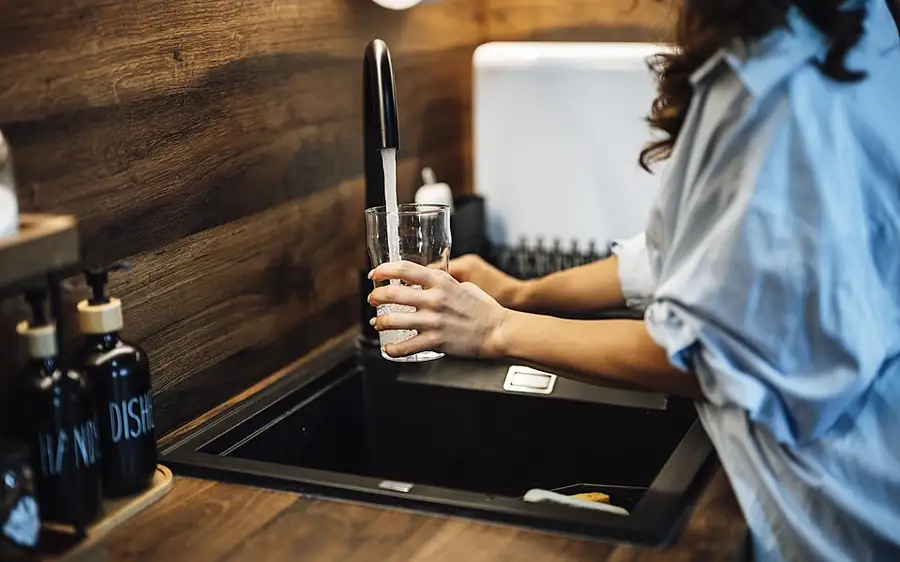
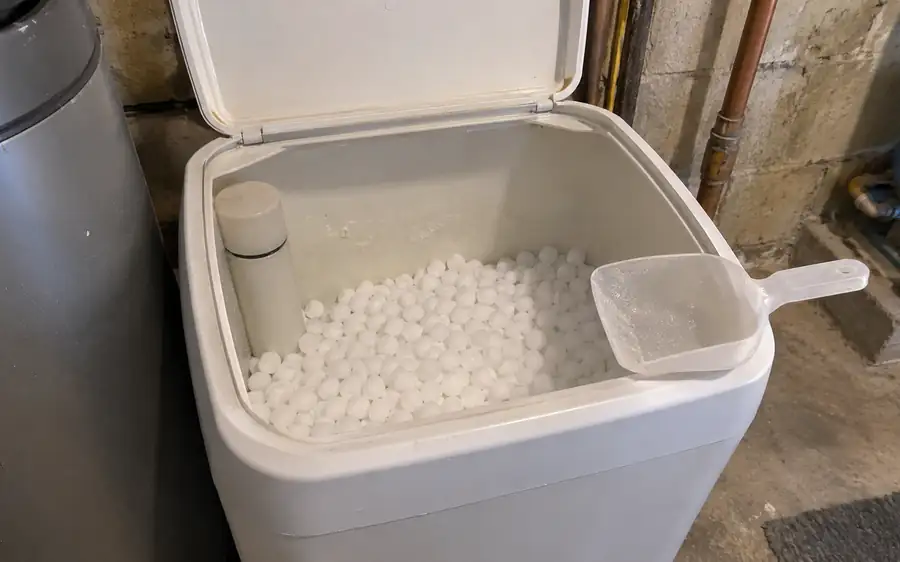
- Equipment, 8 cardsHow does a water softener work?It swaps the calcium and magnesium in your water for sodium or potassium on resin beads, then rinses the hardness down the drain.Open the stack
- Equipment, 8 cardsHow does reverse osmosis work?Water pressure pushes water through a thin membrane that holds back many dissolved compounds and sends them down a drain line.Open the stack
- Testing, 8 cardsWhat do the NSF/ANSI numbers mean?Each number is a tested standard, such as 42 for aesthetic effects or 53 for health effects. The promise covers only what's listed for that model.Open the stack
- Problems, 7 cardsWhy does my water smell like rotten eggs?In the water, usually hydrogen sulfide. If the smell is in the room air, it could be gas: leave the building first.Open the stack
- Testing, 8 cardsWhat should I test before buying treatment?Start from the problem you notice, then your utility's report or a certified lab result for a well, and match treatment to that.Open the stack
- Upkeep, 8 cardsHow often do water filters need changing?It depends on the maker's schedule, your water and your use. Each part has its own cue.Open the stack
What's in your water?
Pick what you notice. It won't name a contaminant for certain, only a test can, but it shows where to start.
Smells like rotten eggs
In the water, usually hydrogen sulfide. In the room air, it could be gas: leave the building first, touch no switches or phones inside, and call 911 or the gas utility from outside. Open that stack
Orange or rust stains
Usually iron. Slime in the toilet tank can point to iron bacteria. Open that stack
White crust on faucets
Usually scale from hard water, calcium and magnesium left behind. Open that stack
Smells like a pool
Usually the disinfectant your water system uses. Open that stack
Sand or grit
Suspended solids such as sand, silt, clay or loose scale. Open that stack
Blue-green stains
Usually copper and corrosive water. Test first-draw water for copper and lead. Open that stack
Nothing I can see, but I want to know
Looks and smell won't tell you. Start from a utility report or, on a well, a certified lab test. Open that stack
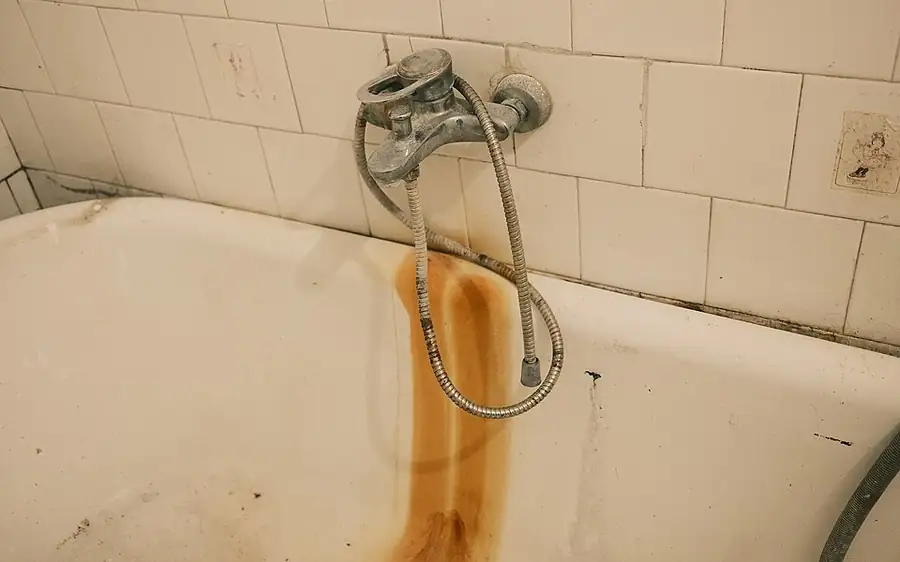
Problems
What you notice at the tap
- What do blue-green stains mean?Copper and corrosion, 8 cards
- Does a home filter work during a boil notice?Water emergencies, 8 cards
- What is chloramine and do filters remove it?Long-lasting disinfectant, 8 cards
- Why does my tap water smell like a pool?Disinfectant taste, 8 cards
- Which filters are certified to reduce lead?Lead reduction, 8 cards
- What causes orange or rust stains from water?Iron staining, 8 cards
- Can a home filter reduce PFAS?PFAS reduction, 8 cards
- Why does my water smell like rotten eggs?Sulfur odor, 7 cards
- Why is there sand or grit in my water?Sediment and grit, 7 cards
- What is the white crust on my faucets?Hard water scale, 8 cards
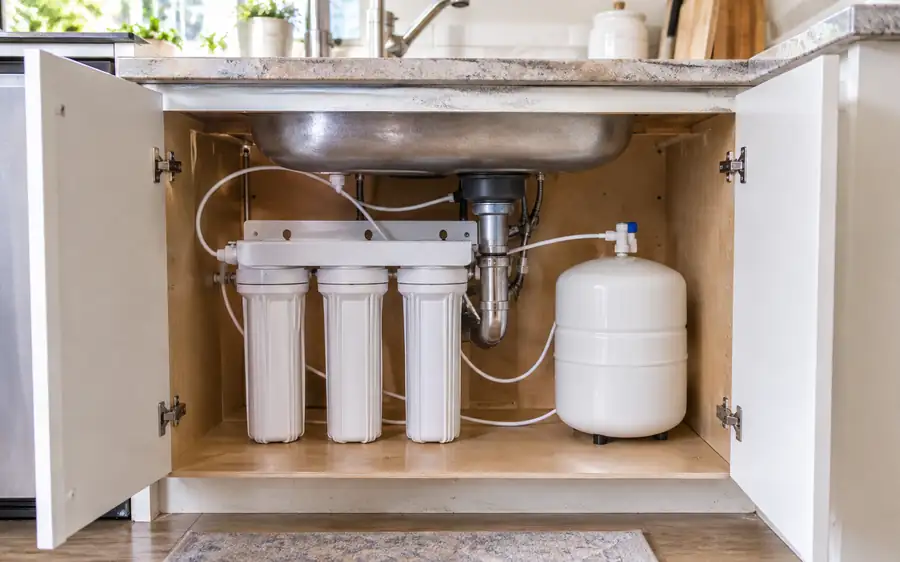
Equipment
What each kind of unit does
- What does an activated carbon filter do?Adsorption, 7 cards
- How does an iron filter work?Oxidize and trap, 8 cards
- What can a pitcher or faucet filter do?Small carbon units, 8 cards
- How does reverse osmosis work?Membrane filtering, 8 cards
- Is a salt-free conditioner a water softener?Scale without salt, 8 cards
- What does a sediment filter actually catch?Particle straining, 7 cards
- What does UV treatment do to water?Light disinfection, 8 cards
- How does a water softener work?Ion exchange, 8 cards
- Whole-house or under-sink: which fits the job?Point of entry or use, 8 cards
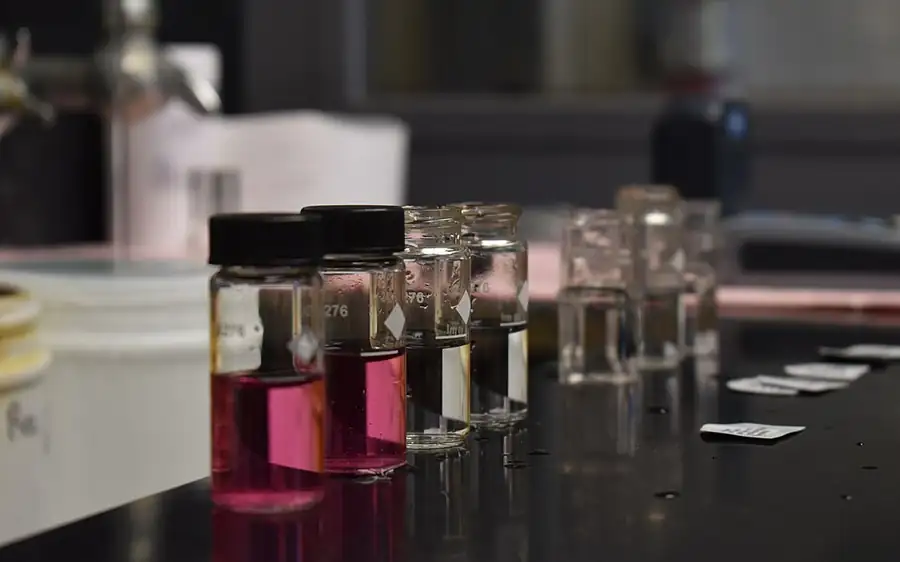
Testing
What to check first
- What should I ask after a free water test?Sales test questions, 8 cards
- What do water hardness numbers mean?Grains and mg/L, 8 cards
- What do the NSF/ANSI numbers mean?Certification codes, 8 cards
- How do I read my water quality report?Annual utility report, 8 cards
- What should I test before buying treatment?Testing first, 8 cards
- Well or city water: what changes?Who tests what, 8 cards
Upkeep
Keeping it working